

Let’s be honest – most advice you find online about selling your house quickly is either blindingly obvious or completely out of touch with reality. “Clean your home.” Thanks, didn’t think of that. What people actually want to know is : what makes a property move in weeks instead of months ? And frankly, there are a handful of things that separate a quick, clean sale from a listing that just… sits there.
Whether you’re selling a terraced house in the north of England or a detached property in the south of France, the logic is pretty much the same. If you want a real-world example of how a local market handles fast sales, sites like https://vente-maison-albi.com show how targeted, well-positioned listings can generate serious buyer interest without dragging on for six months.
Price It Right From Day One
This is the one that kills most sales. Sellers overprice, wait, drop, wait again, drop again – and by that point buyers are suspicious. “Why has it been on for four months ?” they ask. Even if your reason is perfectly logical, the doubt is already planted.
The sweet spot is pricing at or very slightly below market value from the start. It sounds counterintuitive, but it creates urgency. You might even get competing offers, which is the best possible scenario.
Get three valuations from different agents, not one. Average them out, and be realistic. Your memories of painting that kitchen don’t add £15,000 to the value. Sorry.
Photos Are Everything – No, Seriously
I’m always a bit shocked by how many listings still use blurry, dark, slightly tilted phone photos. In 2025. When buyers are scrolling Rightmove or Zoopla at 11pm from their sofa, your first photo has about two seconds to stop them mid-scroll.
Hire a professional photographer. It costs maybe £150–£300 and it pays for itself many times over. They know about angles, lighting, which rooms to lead with. A wide-angle shot of a bright living room will always outperform a cramped, poorly lit snap from the doorway.
And if you can do a virtual tour or floor plan, do it. Buyers who feel informed before a viewing are far more likely to actually show up – and to make an offer.
First Impressions : The Kerb Appeal Thing Is Real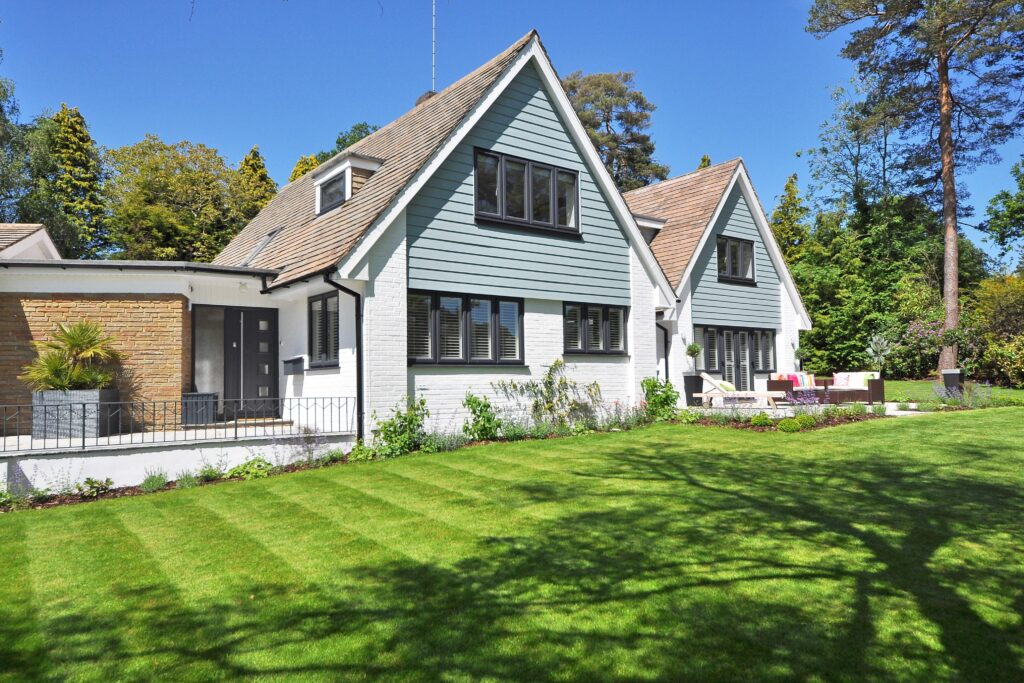
You’ve heard it before, but it bears repeating. The thirty seconds a buyer spends walking from their car to your front door shapes their entire visit. If the path is weedy, the paint is peeling and the bins are front and centre, they’re already looking for problems inside before they’ve even stepped in.
A coat of paint on the front door. Some potted plants. A power wash on the driveway. These things cost almost nothing and genuinely move the needle. It’s not about making your house look like a show home – it’s about not giving buyers an excuse to walk in with their arms crossed.
Declutter Ruthlessly (Even If It Hurts a Little)
Here’s something agents don’t always say directly : buyers have a really hard time picturing themselves in a space that’s full of your stuff. That collection of vintage records, the family photos across every wall, the kids’ artwork on the fridge – it’s lovely, it really is. But it makes it your home, not theirs.
Box things up. Put them in storage if needed. The goal is neutral but warm – a space that feels cared for but blank enough that a stranger can project their life onto it.
This applies to furniture too. If a room feels cramped, remove a piece. Spacious always sells better than cosy-but-cluttered.
Choose Your Agent (or Decide Against One) Carefully
Not all estate agents are equal. Some are brilliant at marketing, proactive, constantly in contact with their buyer database. Others just upload to Rightmove and wait for the phone to ring. Ask them directly : how many properties like mine have you sold in the last three months ? What’s the average time to sale ? What’s their strategy if there’s no offer in the first two weeks ?
That said – selling privately is increasingly viable. Online platforms have made it more accessible, and if you’re comfortable managing viewings and negotiations, you can save yourself thousands in commission. It takes more time and confidence, but it works for plenty of people.
Timing Matters More Than People Think
Spring (March to June) is historically the strongest period for property sales in the UK. Families want to move before the school year, buyers are optimistic, and the light makes everything look better. If you have flexibility on when to list, aim for that window.
That doesn’t mean January or October are lost causes – far from it. But if you’re launching in the middle of August when half the country is on holiday, don’t be surprised if viewings are slow. Adjust your expectations accordingly.
Be Flexible With Viewings
This one’s practical. The more you accommodate, the faster you sell. Evening viewings, weekend slots, short-notice requests – yes, it’s inconvenient. But every viewing is a potential offer. Turning one away because it doesn’t suit your schedule is a gamble you don’t need to take.
If you can leave the house during viewings and let the agent handle it, even better. Buyers talk more freely, linger longer, and generally feel less pressure when the owner isn’t hovering in the hallway.
Don’t Neglect the Legal Side
One thing that slows sales down massively – and it’s completely avoidable – is not having your paperwork sorted. Instruct a solicitor early, ideally before you even have an offer. Get your title deeds, certificates, planning permissions and warranties ready. If there’s an issue with the lease or a boundary dispute, find out now rather than when a buyer is already involved.
Chains collapse all the time because of delays on the seller’s side. Being legally prepared makes you a more attractive seller, not just a faster one.
The Bottom Line
Selling fast isn’t about luck. It’s about removing every possible reason for a buyer to hesitate. Price it right, present it brilliantly, be easy to work with, and get your legal ducks in a row early. Do those four things well and you’re already ahead of most sellers on the market.
The rest ? Details. Important details, sure – but details.